

An AI Assistant vs. Hiring a Receptionist: The Real Math
By Robert Cushman
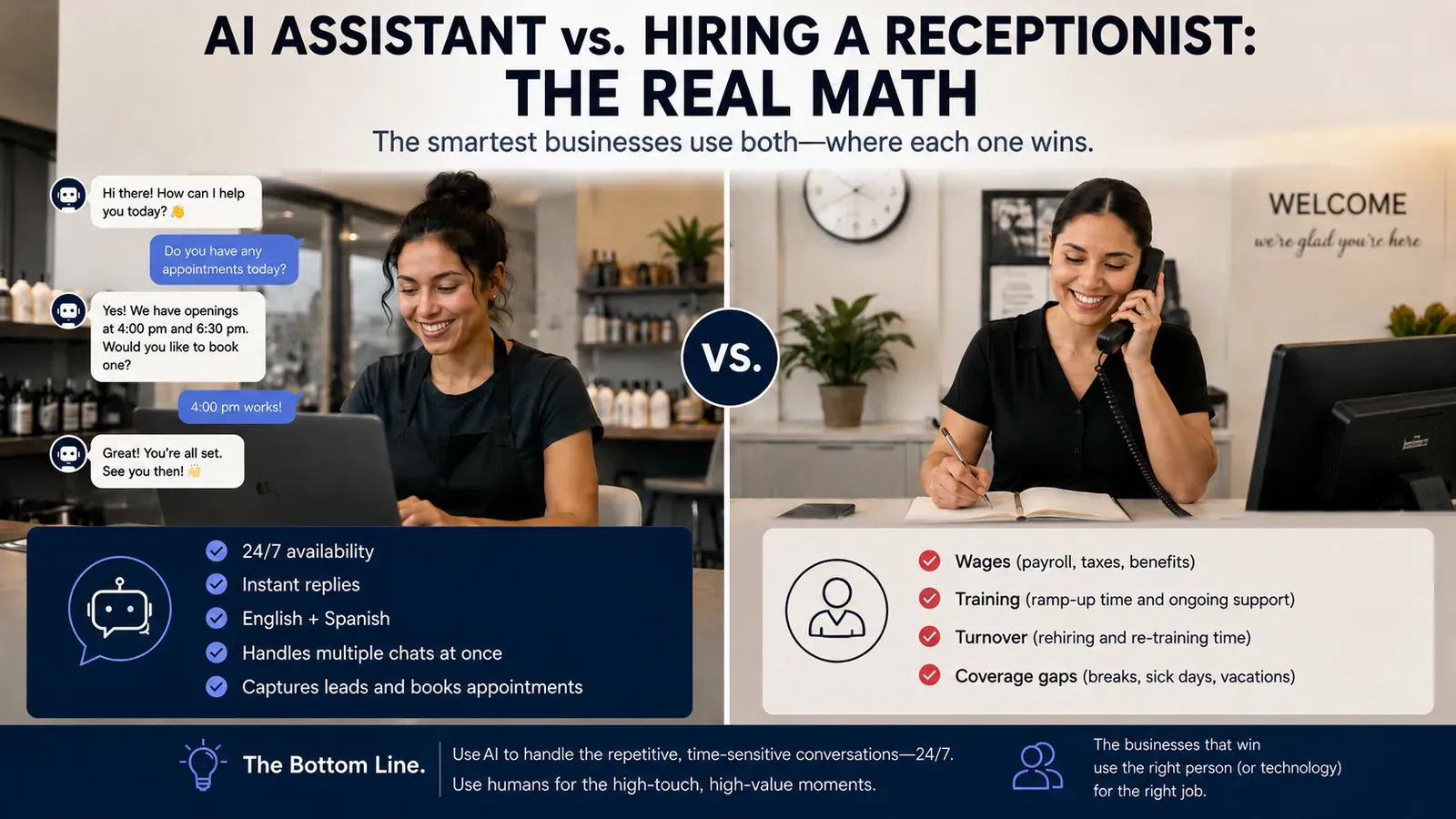
At some point every growing local business hits the same wall: too many messages, too many questions, not enough hands. The obvious fix is to hire someone for the front desk. Sometimes that’s exactly right. But before you post the job, it’s worth running the real math — because the choice isn’t always “hire a person” versus “do nothing.”
And the smartest answer usually isn’t AI or a person. It’s both — each on the work it’s actually best at.
What a front desk actually costs
A part-time receptionist isn’t just an hourly wage. Add it up honestly:
- Wages for the hours you cover — plus payroll taxes and benefits on top. The true cost sits well above the hourly rate.
- Training — the first few weeks of ramp-up before they’re actually useful, plus ongoing management after that.
- Turnover — front-desk roles churn, and every time someone leaves you pay to re-hire and re-train all over again.
- Coverage gaps — breaks, sick days, vacations.
And here’s the part that’s easy to miss: a person can only be in one conversation at a time, during the hours you pay for. The messages that arrive at 9 p.m., on a Sunday, or while they’re already on the phone still go unanswered.
What a human front desk can’t cover
No single hire covers:
- Nights and weekends, when a lot of local buying decisions actually happen.
- Two conversations at once — a phone call and three Messenger threads.
- Instant response. Even a great receptionist takes a minute to reach each message. Speed-to-lead is often the whole game: the business that answers first usually wins the booking.
You could cover all of that with people — but now you’re staffing multiple shifts for work that’s quiet most of the time and spikes unpredictably. That’s expensive and hard to manage.
Where AI wins — and where a human still wins
An AI assistant is very good at exactly the part that’s repetitive and time-sensitive:
- It answers the same five questions — price, hours, availability, location, how to book — instantly, around the clock, in English and Spanish.
- It never takes a break, never quits, and handles many conversations at once.
- It captures the lead’s details, points people to your booking link, and hands the conversation to you when someone’s ready to close.
What it’s not built to do is replace human judgment. It won’t close a delicate, high-stakes sale, calm an upset customer, or make the personal call that earns loyalty. That’s still yours.
So the honest comparison isn’t “AI or a person.” It’s which work goes to which.
The honest hybrid
The setup that actually works for most local businesses: AI first, human to close.
The assistant handles the flood of repetitive questions the moment they arrive — day or night — and does the unglamorous work of capturing every lead. When a conversation needs a human, it hands off to you with the context already gathered, so you step in ready to close, not to start over.
One honest caveat: a receptionist also answers the phone, and a Messenger assistant doesn’t. It covers the message side. The calls are a job for an AI voice agent. Put the two together and you cover the repetitive volume on both channels — chat and phone — while the high-value moments stay with you.
You’re not paying a salary to answer “how much is a haircut?” fifty times a day. You’re spending your time where it actually moves money.
The bottom line
If you need someone for in-person, hands-on work, hire them — AI doesn’t change that. But if what you really need is someone to answer fast, around the clock, and never miss a lead, a part-time hire is an expensive, part-time fix for a full-time problem.
Run your own numbers. For a fraction of a front-desk salary, an AI assistant covers the hours a person can’t and never lets a message sit — then hands you the conversations worth your time.
That’s the whole idea: use AI for the repetitive, time-sensitive conversations that never stop coming, and use people for the high-touch, high-value moments that earn loyalty and close the deal. The businesses that win pick the right person — or the right technology — for each job.
Want to see what that looks like for your business? Meet the AI Messenger Assistant that’s already handling real customers in production.
Keep reading
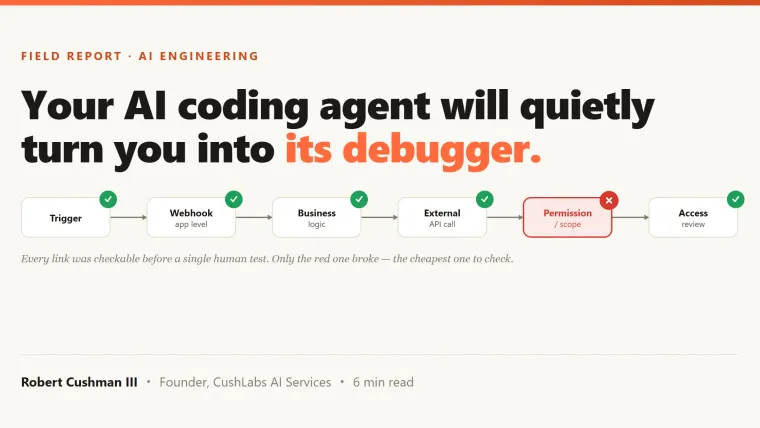
Your AI Coding Agent Will Quietly Turn You Into Its Debugger
294 tests passed and the agent said 'ready to test.' It wasn't. The real failure modes of autonomous AI agents — and the written discipline that actually cures them.

Why Your Business Loses Facebook Leads After 6 PM
Your best leads arrive when you're closed. Here's why the after-hours gap quietly costs local businesses the most — and the fix that answers in five seconds.
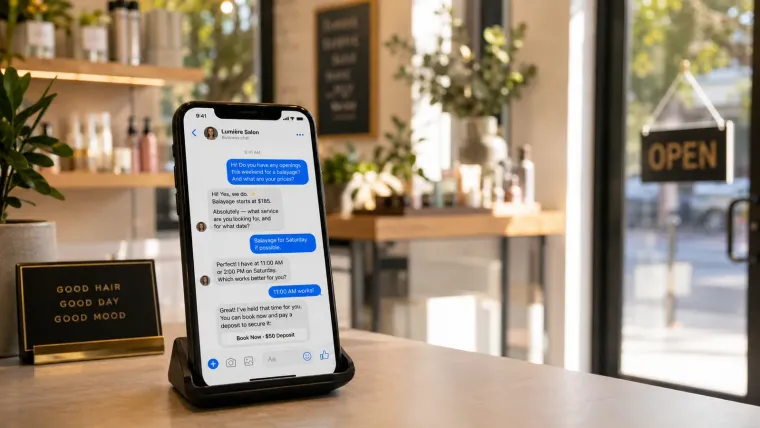
How to Turn Facebook Messenger Into a Sales Channel
Most businesses treat Messenger as a support inbox. The ones growing fastest treat it as a sales channel. Here's the practical playbook for making the switch.