

How to Turn Facebook Messenger Into a Sales Channel
By Robert Cushman
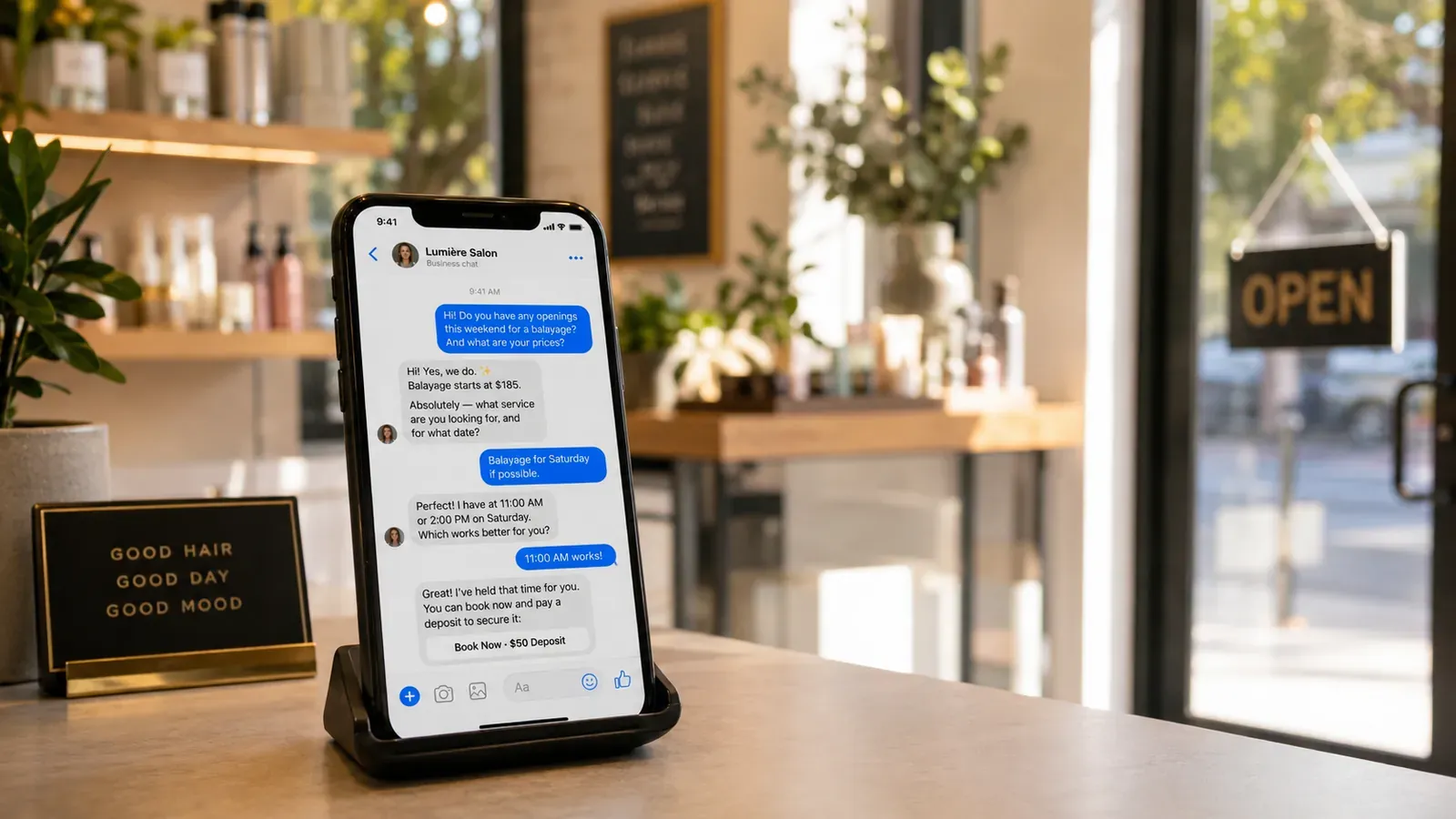
Open your Facebook Messenger inbox and ask one question: is this a support desk or a sales channel?
For most businesses, it’s a support desk by accident. Messages come in, someone answers when they can, and the conversation ends with information delivered — not a sale made. The businesses growing fastest made a deliberate switch: they treat Messenger as the place where buying actually happens.
Here’s how to make that switch.
1. Answer instantly, or the channel doesn’t work
Everything downstream depends on speed. A sales channel where the “salesperson” replies two hours later isn’t a sales channel — it’s a voicemail. The first move is guaranteeing that every message gets a real, useful answer in seconds, at any hour. That’s the foundation; the rest of this playbook assumes it’s in place.
2. Qualify before you pitch
A good salesperson asks before they sell. In Messenger, that means understanding what the customer actually wants before dumping your whole catalog on them. What service are they after? What’s their timeline? Are they price-shopping or ready to book?
A few smart questions turn a vague “how much?” into a qualified opportunity — and let you point them at the right offer instead of the biggest one.
3. Recommend, don’t list
The fastest way to lose a Messenger sale is to answer “what do you offer?” with a wall of options. Choice paralysis kills conversions. Instead, guide: based on what the customer told you, recommend the one thing that fits. “For what you’re describing, most clients go with X — want me to check availability?” That’s a salesperson. A list is a brochure.
4. Capture the lead every time
This is the step almost everyone skips, and it’s the most expensive one to skip. Before the conversation cools, get a name and a way to reach them — phone, WhatsApp, email. A conversation without contact details is a lead you can never follow up with. With them, even a customer who goes quiet is someone you can re-engage.
5. Hand off to close — with context
AI and automation should do the heavy lifting: instant answers, qualification, recommendations, capture. But the close often still wants a human. The key is a clean handoff — the moment a conversation genuinely needs you, you step in already knowing what the customer wants, what they’ve asked, and where they are in the decision. No “let me catch up on the thread.” Just close.
6. Meet customers where they already are
Here’s the strategic part. Many local businesses — especially in Mexico — have no website. Their entire presence is their Facebook page. For them, Messenger isn’t another channel to manage. It is the storefront. Turning it into a sales channel isn’t an add-on; it’s building the cash register where the customers already are.
Putting it together
A Messenger sales channel that runs on its own looks like this: instant bilingual answers, smart qualification, the right recommendation, lead capture on every conversation, and a clean handoff when it’s time to close. Done by hand, that’s a full-time job. Done with an AI assistant built from your business’s own content, it runs 24/7 while you work — or sleep.
That’s exactly what the AI Messenger Assistant does: a production-ready assistant that turns your Facebook page into a channel that sells, not just answers.
Keep reading
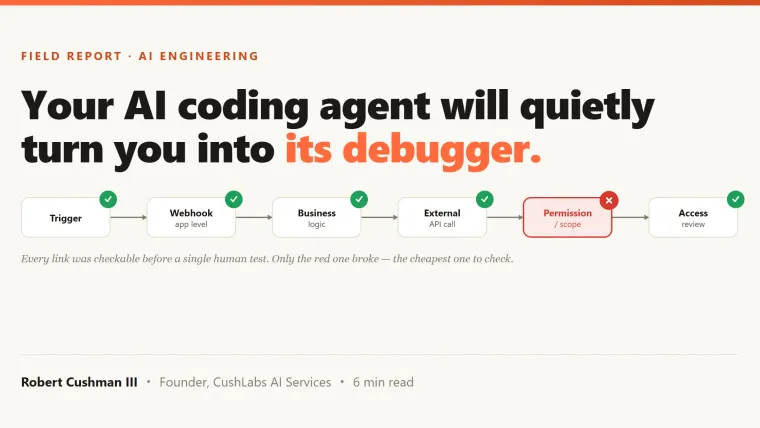
Your AI Coding Agent Will Quietly Turn You Into Its Debugger
294 tests passed and the agent said 'ready to test.' It wasn't. The real failure modes of autonomous AI agents — and the written discipline that actually cures them.
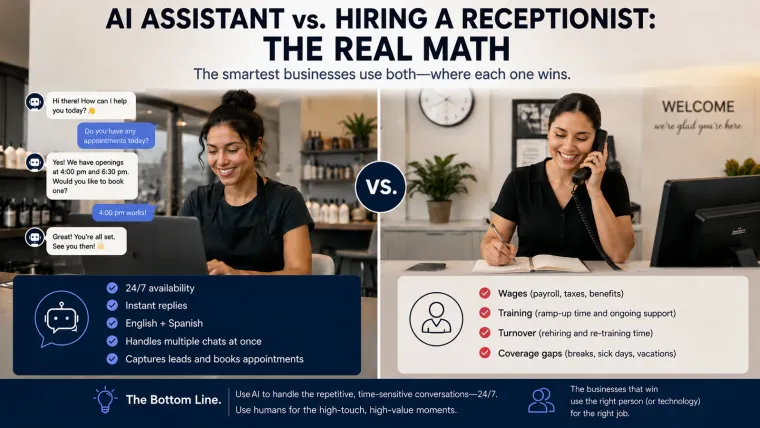
An AI Assistant vs. Hiring a Receptionist: The Real Math
Before you hire someone to answer messages, run the numbers. Here's what a front desk really costs, what it can't cover, and where an AI assistant actually fits.
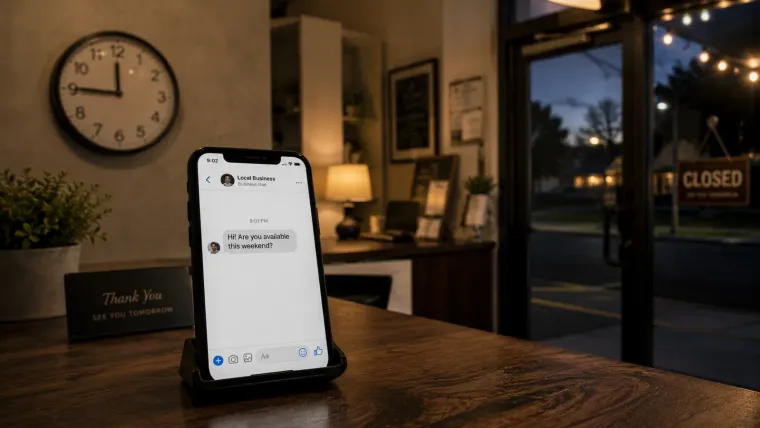
Why Your Business Loses Facebook Leads After 6 PM
Your best leads arrive when you're closed. Here's why the after-hours gap quietly costs local businesses the most — and the fix that answers in five seconds.